
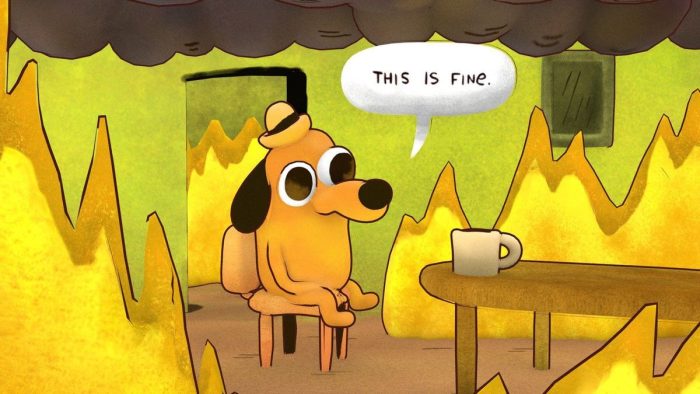
Oh look. Substack is in the news again. Over at the The Guardian, they reminded us that Substack is, in fact, a Nazi bar. Which is really just insult to injury when they let us know this month that about 700K users had their data accessed by an unauthorized third party.
The Sunday Post – It’s Time to Move off Substack
If you’re not familiar with the “Nazi bar” concept, it goes like this: if a bar allows one Nazi to sit down and drink comfortably, and then another, and does nothing about it, pretty soon you don’t have a bar with a Nazi problem. You have a Nazi bar. The regulars leave. The Nazis stay.
Substack has been a Nazi bar since at least 2023. The Atlantic found newsletters on the platform using overt Nazi imagery. Two hundred and fifty writers signed a letter asking Substack’s founders to do something about it. The response from co-founder Hamish McKenzie? “We don’t like Nazis either,” but removing them would be “censorship” and would “make it worse.”
Eventually they removed a whopping 5 accounts totaling about a hundred readers. They did not change any policies, and users started to leave for services like Ghost. And don’t forget what happened in ’25, when they spammed users push notifications with a Nazi blog.
This isn’t about Substack
I am picking on Substack because, well, everything. But, this is a perfect example of why you want to own your stuff. Think of the platform like ground you don’t own. Is that where you are going to build your house?
Every platform is someone else’s land; Substack, Medium, and the socials. They want your content because that is what makes their platform valuable. They give you the tools and an audience. In exchange, you give them control of your content.
Control over who sees it, whether you have an account tomorrow or even control over your audiences’ data. When things are good, it feels fair and everything is fine. What happens if you are demonitized? Or an algorithm change? Or you find out the platform is a Nazi bar? That’s what losing control looks like.
What Owning it Looks Like
Owning your stuff doesn’t mean you can’t use platforms. It means the platform isn’t the thing. It’s a thing. A distribution channel. An amplifier. Not your foundation.
Your website is home base. Your domain name, your site, your content. Everything else points back to here. If Substack disappeared tomorrow, or Medium pivoted, or Twitter finally implodes, your website is still there.
And, don’t forget that your email list is yours. If you are building a newsletter, make sure you can export your subscriber list. Platforms that make this difficult are you telling you something, pay attention. You want a list you control, not one that is held hostage.
Blog posts should live on your server. Podcasts and videos should be files you have copies of. If your content only exists on a platform, you don’t own it. You are borrowing it.
Your RSS feed is YOUR RSS Feed. For podcasters especially, your RSS feed if your distribution backbone. Own it. Host it somewhere you control. If your podcast host goes under or gets acquired or does something shady, you redirect your feed and your subscribers follow.
None of this requires a lot of technical skill. If you can register a domain name, you can setup a simple website. Use whatever your tech friends tell you to use and pick one that fits your comfort level. Once it’s set up, it’s not about the tool. It’s about the fact that you control it.
Take a look right now at where your content lives. If the platform you are using went away tomorrow, or did something you couldn’t live with, how much of your work would you lose? How many subscribers or followers would you lose contact with?
If the answer makes you uncomfortable, that’s your sign.